

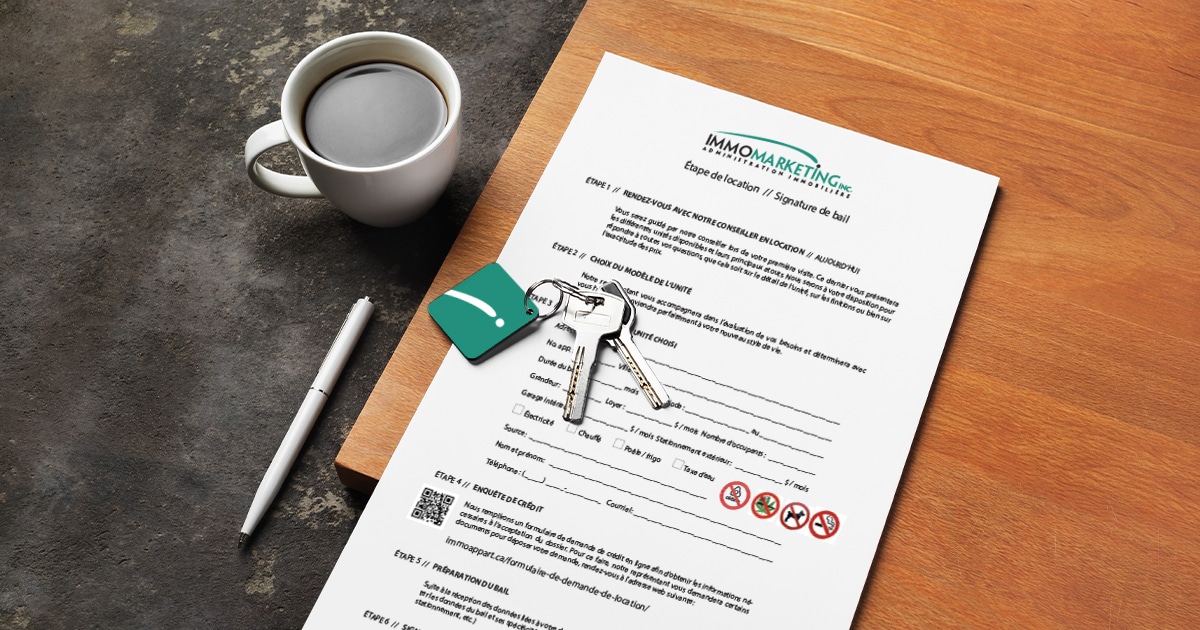
Residential Lease: Understanding Your Rights and Obligations
Signing a residential lease is an important step in the journey of both tenants and landlords. In Quebec, the lease legally governs the relationship between the two parties and sets out each person’s responsibilities. Understanding its content helps avoid misunderstandings, prevent conflicts, and enjoy a more peaceful rental experience. A well understood lease is, above all, a tool that protects everyone involved.
What Is a Residential Lease?
A residential lease is a written contract that binds a tenant and a landlord for the rental of a dwelling. It specifies, among other things, the address of the unit, the term of the rental, the rent amount, and the general terms of occupancy. In most cases, a residential lease in Quebec is for a twelve month term and begins on July 1, but other terms may also be agreed upon.
The lease sets out the basic rules that must be followed throughout the rental period. Once signed, it is legally binding on both parties. It is therefore essential to read it carefully before committing and to ask questions when needed.
Tenant Rights
Tenants benefit from several rights intended to ensure safe, sanitary, and peaceful housing. The landlord is required to provide a dwelling in good condition and to maintain it throughout the term of the lease. Tenants are also entitled to quiet enjoyment and normal use of their home.
Some of the main tenant rights include
The right to a clean, safe, and well maintained dwelling
The right to privacy and to receive notice before any visit by the landlord
The right to refuse a rent increase considered excessive under the applicable rules
Tenants also have the right to be clearly informed of the lease terms and to receive a copy of the signed contract. If an issue arises, they can assert their rights through the appropriate authorities.
Tenant Obligations
In exchange for their rights, tenants must meet certain obligations. Paying rent on the agreed upon date is one of the primary responsibilities. Tenants must also use the dwelling responsibly and avoid causing damage.
Tenants are expected to keep the dwelling clean and to promptly report any issue that requires repair. Respecting neighbours and following building rules are also part of the obligations tied to a residential lease.
Landlord Rights
Landlords also have rights clearly defined by law. They have the right to collect rent as set out in the lease and to require compliance with the established terms. They may also access the dwelling for legitimate reasons, such as carrying out repairs or showing the unit, provided they respect the required notice periods.
Landlords may request a rent increase upon lease renewal while following the applicable rules. They may also take action if the tenant fails to meet their obligations or causes serious disturbances.
Landlord Obligations
Landlords have essential responsibilities toward their tenants. They must provide a dwelling in good condition and ensure it remains compliant with health and safety standards. Necessary repairs must be completed within a reasonable timeframe.
Some of the main landlord obligations include
Maintaining the dwelling and carrying out repairs
Respecting the tenant’s privacy
Providing the services included in the lease, such as heating or hot water
Landlords must also respect the lease terms and act fairly in managing the rental relationship.
Lease Renewal and End of Lease
As the end of the lease approaches, the landlord must send a notice of renewal or proposed changes within the prescribed deadlines. The tenant may then accept, refuse, or negotiate the proposed changes. If the tenant does not respond within the required timeframe, the lease is generally renewed under the same conditions.
Ending a lease before its term is possible in certain specific situations provided for by law. It is important to become well informed before taking such a step in order to avoid financial or legal consequences.
Why Understanding Your Lease Matters
A well understood residential lease helps build a healthy and balanced relationship between tenant and landlord. It encourages clear communication and reduces the risk of disputes. By knowing their rights and obligations, each party can act responsibly and proactively.
For a well informed tenant, finding and managing housing becomes simpler and more secure. For a landlord, a solid understanding of the legal framework supports efficient, respectful property management.
A residential lease is not just an administrative document. It is the foundation of a relationship of trust and a stable living environment. If you have questions or would like additional information, contact us.